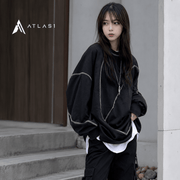
Cómo construir un outfit de streetwear japonés
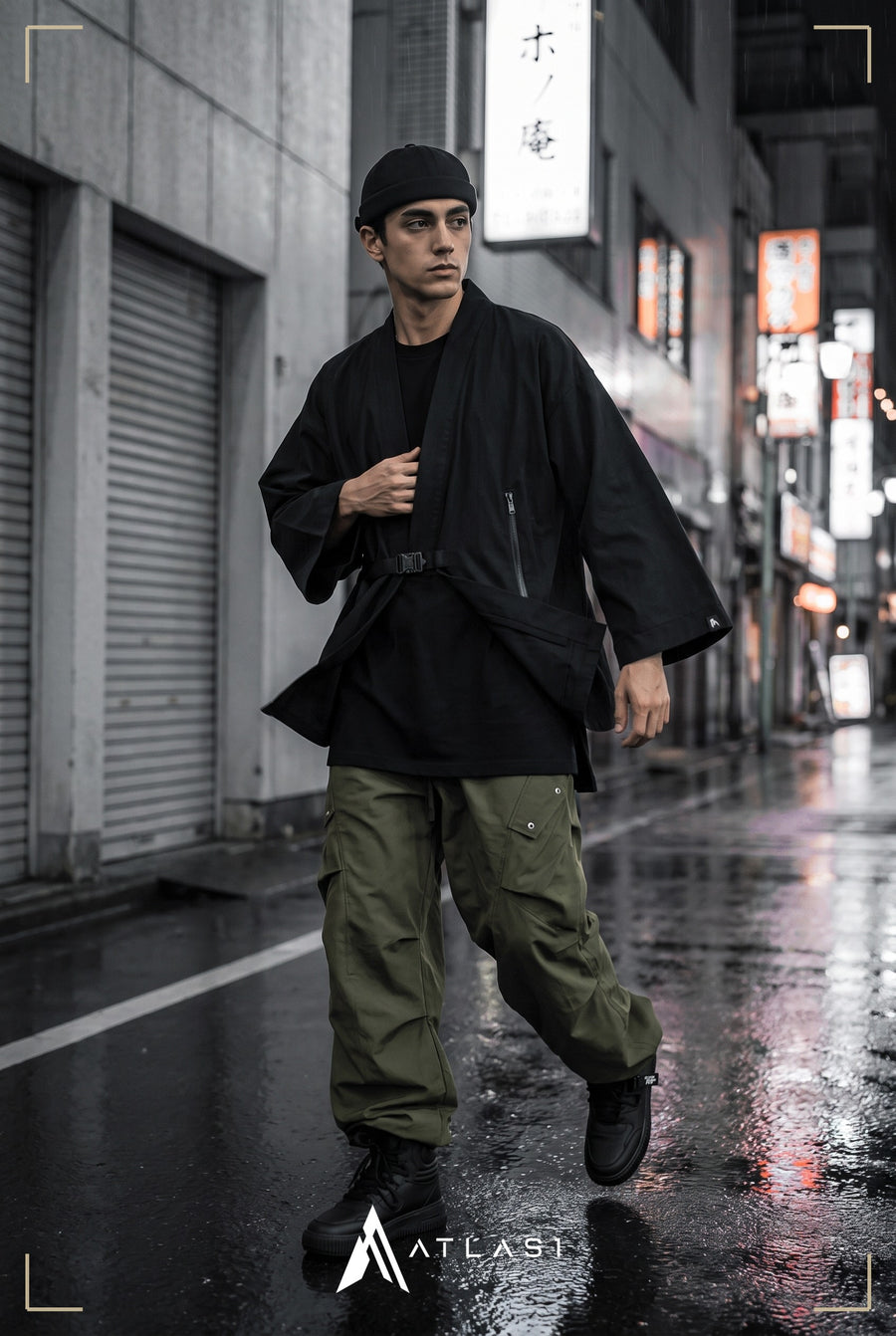
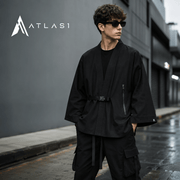
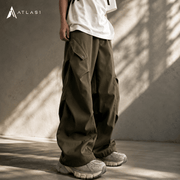
El streetwear japonés es, ante todo, disciplina de silueta. Tokio viste en volumen — pantalones anchos, camisetas longline, capas exteriores de hombro caído — pero ese volumen es arquitectónico, no accidental: cada capa corre un paso más larga o más ancha que la que tiene debajo, de modo que el contorno se lea apilado en lugar de holgado. Empieza con una pieza ancla exagerada, y luego construye dos o tres capas visibles debajo; el truco Harajuku es dejar que se vea cada dobladillo.
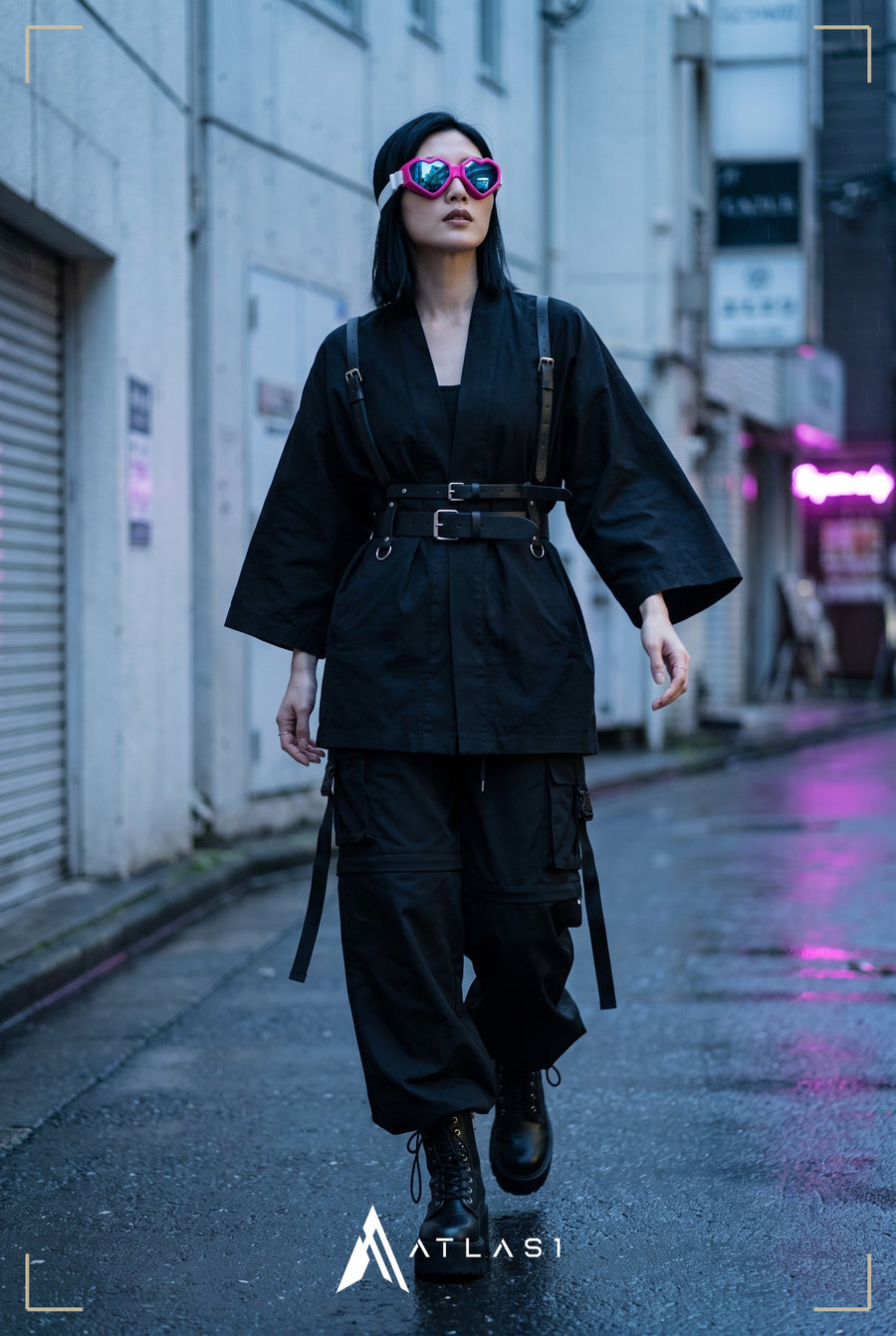
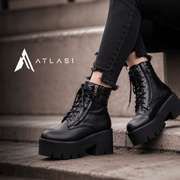
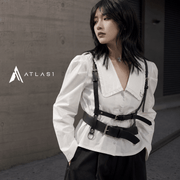
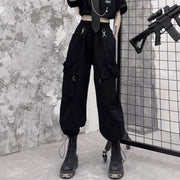
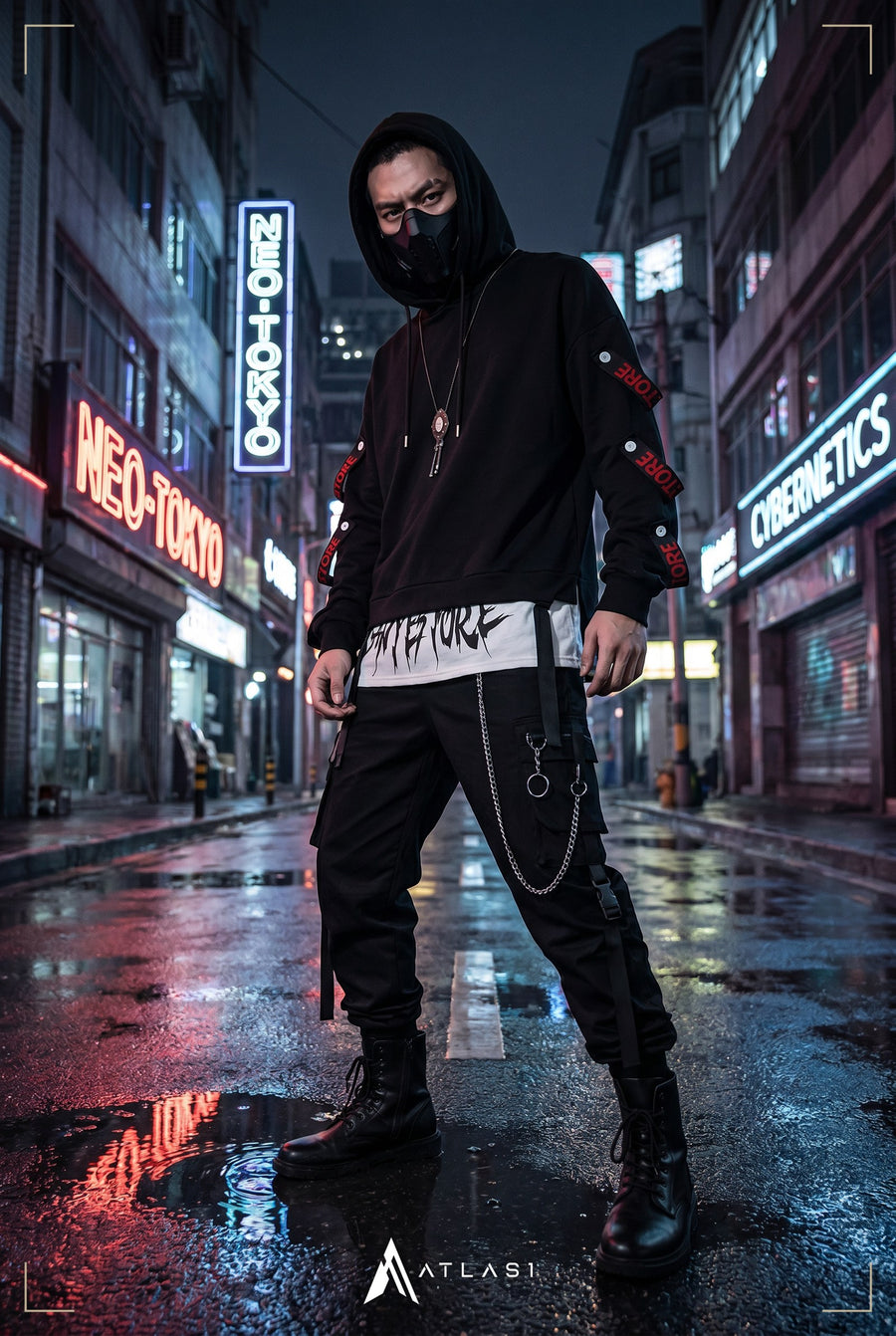
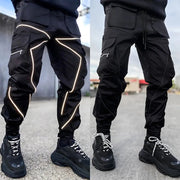
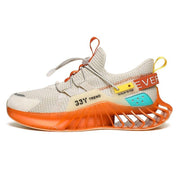
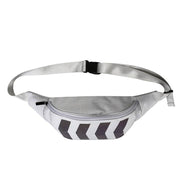
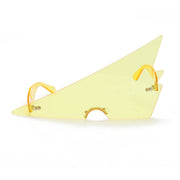
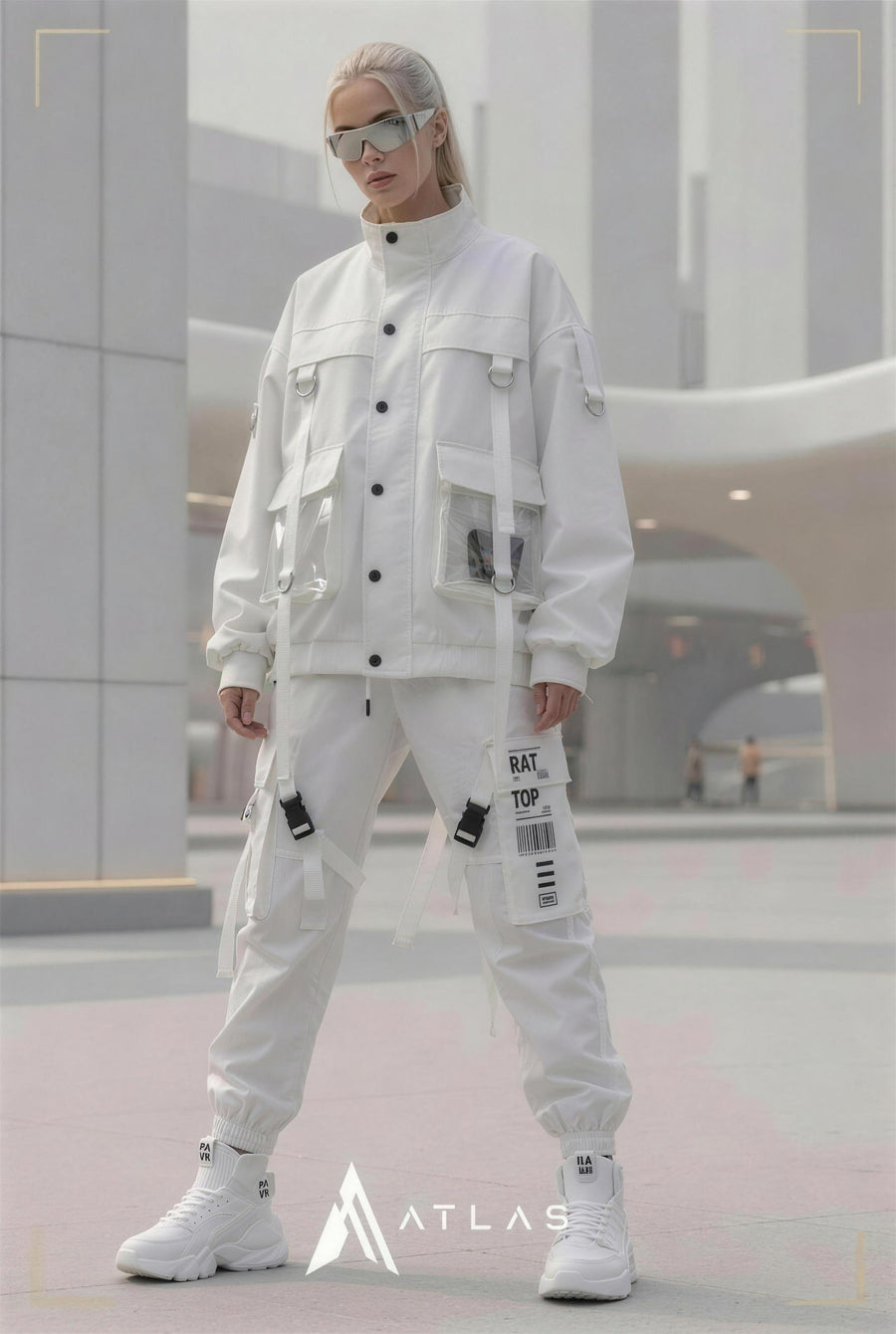
La función es la segunda capa de la doctrina: bolsillos cargo, correas, fajas y cierres envolventes que hacen eco de la utilidad del workwear y del ninja — diseñados, no decorativos. Las piezas de nuestra colección de techwear ninja están construidas exactamente para esto. Mantén la paleta en negros, grises y tonos tierra, y comprométete con un solo acento de señal — un destello de rojo, una capa gráfica, una suela llamativa. Un acento se lee como Tokio; tres se leen como turista. ¿Quieres la misma doctrina en proporciones occidentales? Contrástala con nuestros outfits streetwear.
Preguntas Frecuentes sobre Outfits de Streetwear Japonés
¿Qué es un outfit de streetwear japonés?
El streetwear japonés combina la cultura de capas de Harajuku con la función del workwear: pantalones anchos o cropped, capas longline apiladas de modo que se vea cada dobladillo, una paleta apagada y un acento deliberado. Comparado con el streetwear occidental, cambia el volumen de logos por volumen de silueta — la forma es la que habla, no la estampa.
¿Qué es el estilo Harajuku — y es lo mismo que el streetwear japonés?
Harajuku es el distrito de Tokio cuya cultura callejera hizo famosas las capas experimentales; el "estilo Harajuku" abarca desde el maximalismo decora hasta el darkwear más despojado. El streetwear japonés es el núcleo ponible de ese espectro — el juego de proporciones y capas sin los extremos de disfraz. Los looks a continuación se sitúan en ese extremo ponible.
¿Cómo llevan los hombres el streetwear japonés?
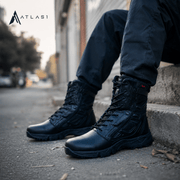
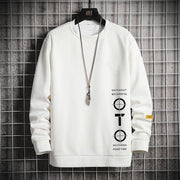
Ancla en la mitad inferior: pantalones anchos o cropped tapered con función cargo real, luego apila una camiseta longline bajo una camisa abierta o una capa estilo noragi, y termina con una pieza exterior estructurada. Mantenlo monocromático y deja que un solo elemento — el calzado, una correa, un color de acento único — lleve la señal.
¿Cómo llevan las mujeres los outfits de streetwear japonés?
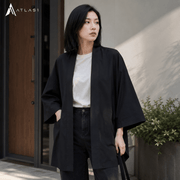
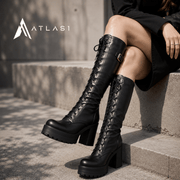
Misma doctrina, contraste más marcado: combina una capa oversized con un punto ajustado — una cintura ceñida, un dobladillo cropped, un tobillo tapered — para que el volumen se lea diseñado. Unos pantalones anchos plisados o una falda longline sobre botas funcionan bien como ancla; mantén la paleta apagada y elige exactamente un acento, ya sea herraje, un bolso o un destello de color.
Streetwear japonés vs. techwear — ¿cuál es la diferencia?
Comparten ascendencia — los diseñadores japoneses escribieron la mitad del manual del techwear. El techwear lidera con tejidos de rendimiento y almacenaje modular; el streetwear japonés lidera con silueta y capas, tomando prestada esa utilidad como textura. La mayoría de los kits ATLAS se sitúan en ese solapamiento: explora el archivo completo de techwear para construir primero desde el lado funcional.