How to Wear Y2K Now
Y2K fashion — the aesthetic that peaked roughly 1997–2004 — drew on a specific moment of techno-optimism: the belief that the future would be shiny, reflective and slightly alien. Iridescent fabrics, holographic PVC, metallic stretch and chrome hardware were all signals of that mood. The useful thing about the aesthetic now is that it has aged into irony-proof territory — the materials carry enough cultural weight that wearing them reads as knowing rather than naive.
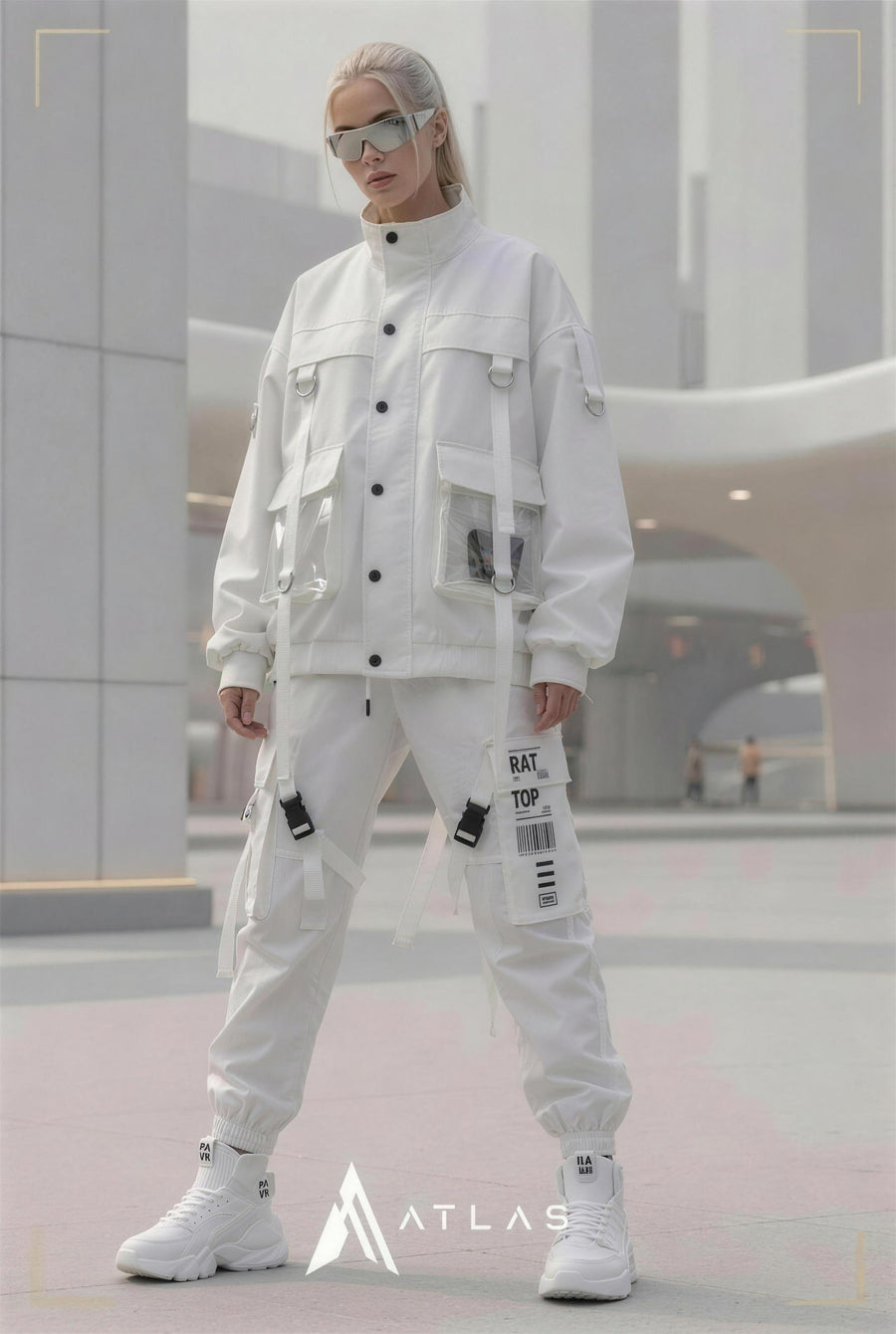
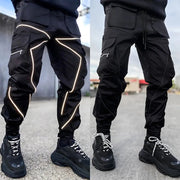
The practical rule: build one holographic or metallic piece into an otherwise spare outfit. A chrome dress needs clean footwear and nothing competing for attention; a metallic top pairs cleanly with black cargo trousers. If you are mixing Y2K with something more structured, futuristic outfits show how to bring chrome into a utilitarian frame without the look tipping into fancy-dress territory.
Y2K Outfit FAQ
What is a Y2K outfit?
A Y2K outfit draws on the aesthetic language of the late 1990s and early 2000s — holographic, iridescent and metallic fabrics, platform footwear and a broadly optimistic, technology-coded visual mood. The reference point is the cultural moment around the millennium when tech felt like the future and clothing reflected that. Today the aesthetic is worn with deliberate awareness of its era rather than as straightforward revival.
What defines Y2K fashion?
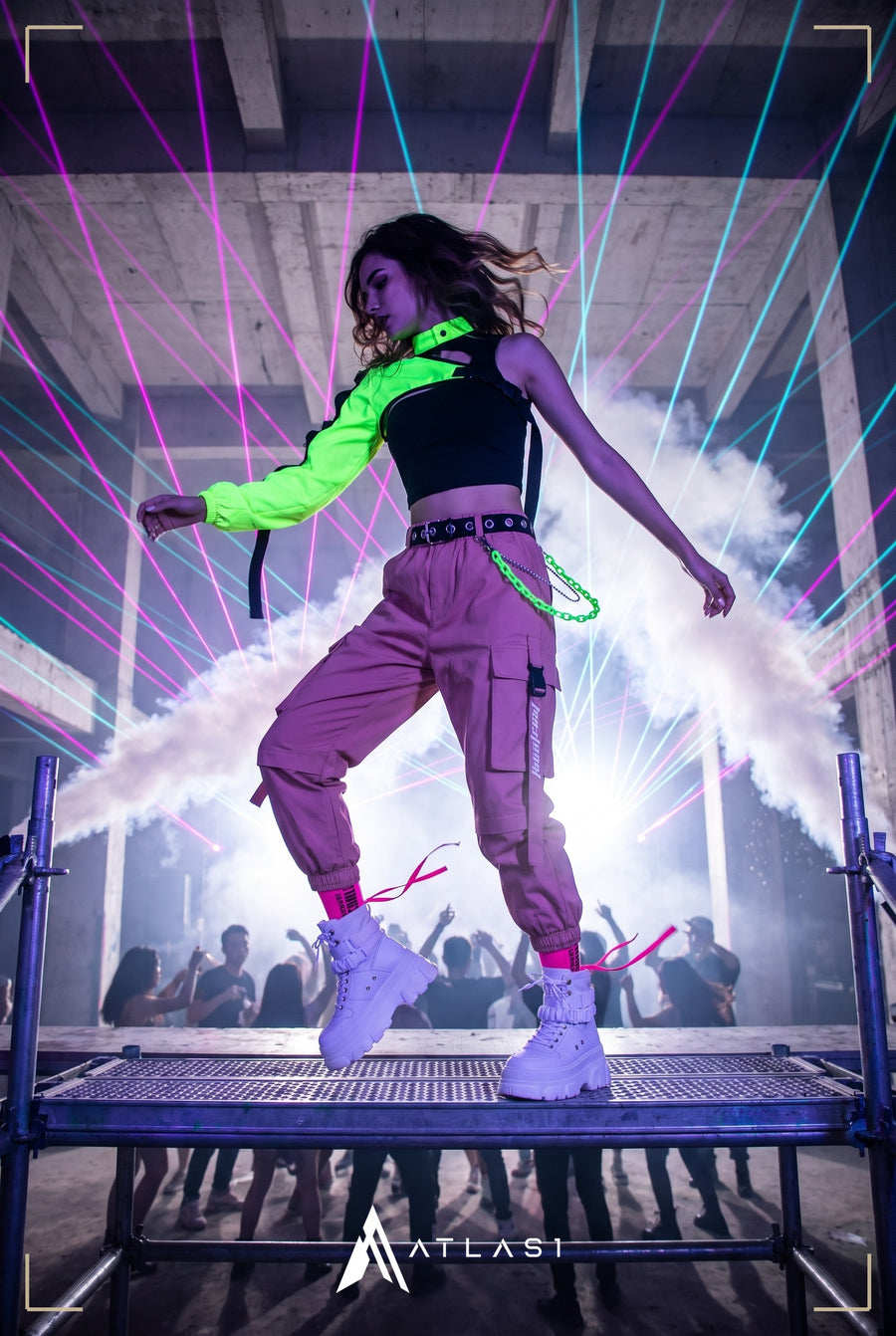
The defining materials are iridescent and holographic fabrics, metallic stretch, clear PVC and chrome hardware. Silhouettes tend toward fitted bodysuits, mini lengths and platform soles. Colour runs either to full chrome and white or to strong brights — hot pink, electric blue, lime — against black bases. The common thread is a reflective, light-catching quality that signals technological optimism.
Y2K vs futuristic vs cyberpunk?
Y2K is historically specific — it references the millennial moment and its particular optimism. Futuristic is a broader formal category: any clothing that deploys reflective materials, clean engineering or iridescent finishes to evoke an unspecified future. Cyberpunk skews darker — black base with utility hardware, neon accents and a dystopian rather than utopian reading. Y2K sits inside the futuristic category but adds the millennial cultural marker; cyberpunk is a separate pole entirely.
How do I style holographic and metallic pieces?
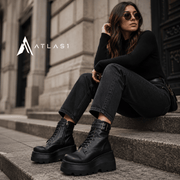
Treat holographic and metallic pieces as the centrepiece of the look and keep everything else minimal. A holographic dress works best with clean footwear — clear slides, white trainers or black platform boots — and no competing print or texture. A metallic top pairs with black or white bottoms only. The material does the visual work; adding more pattern or colour muddies the effect and pushes the look toward costume.
Are platform shoes Y2K?
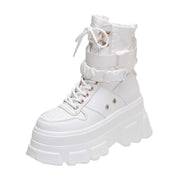
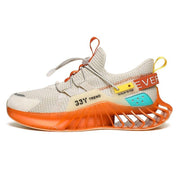
Platform soles — particularly chunky-soled trainers, clear platform mules and thick-wedge boots — are a core Y2K reference. The Buffalo platform and its derivatives are the clearest signifier. In a contemporary Y2K outfit, a platform boot or chunky trainer reinforces the era without needing to replicate the original silhouettes exactly — the proportional weight at the foot is what reads as the reference.