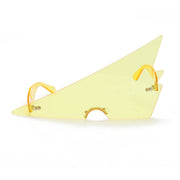
The Principles of Futuristic Dressing
Futuristic clothing operates on a simple material logic: anything that reflects, refracts or transmits light reads as future-coded. Iridescent chrome, holographic PVC, transparent TPU and liquid-finish stretch fabrics all share that property. The silhouette is less constrained — futuristic dressing spans the clinical minimalism of a white bodysuit and the maximalist spectacle of a full chrome dress. What distinguishes a futuristic outfit from general fashion is the consistent commitment to materials that do not exist in nature: processed, engineered, non-organic surfaces.
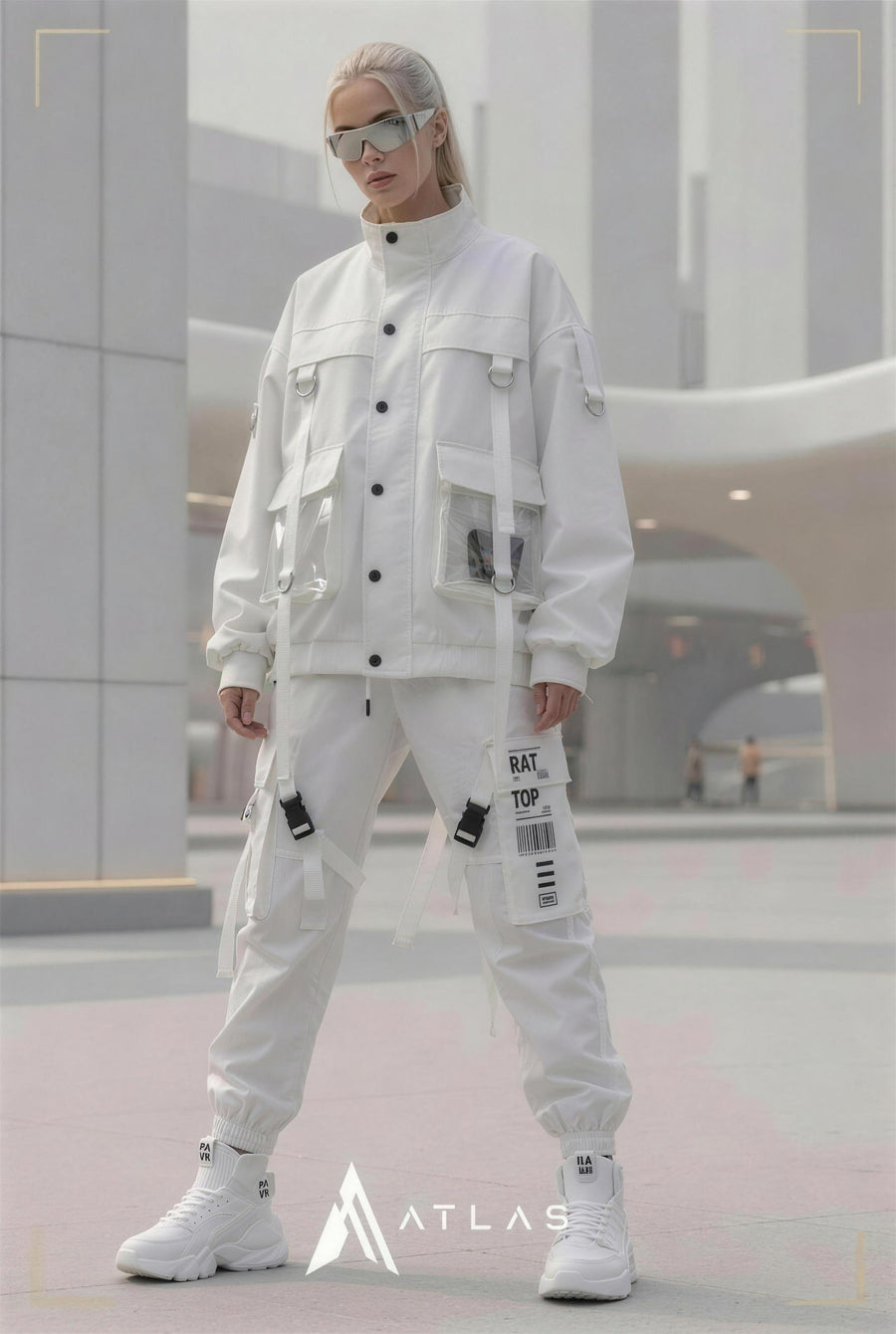
The practical route in is to choose one pole and commit. Either go minimal — engineered white, transparent structure, monochrome with chrome hardware — or go maximal with a single statement piece that carries all the visual work. Mixing both at once tends to collapse the effect. For the overlap with millennium-era aesthetics, Y2K outfits cover the historically specific version of this impulse, with the cultural context that separates Y2K from pure futurism.
Futuristic Outfit FAQ
What is a futuristic outfit?
A futuristic outfit uses materials, construction or silhouette to evoke clothing that belongs to an imagined or projected future rather than the present. In practice this means reflective, iridescent or transparent fabrics, engineered construction and a visual palette that prioritises chrome, white, black and neon. The category is defined less by specific garment types than by the consistent use of non-natural, high-processing-signal materials.
What materials read as futuristic?
Iridescent and holographic wovens, transparent PVC and TPU, metallic stretch jersey, chrome-finish vinyl and liquid-look satin are the core futuristic materials. Secondary signals come from structural elements: welded seams, bonded hems and hardware in silver or brushed chrome rather than brass or antique finishes. Matte black technical fabrics sit at the utilitarian end of the same register.
Futuristic vs cyberpunk vs Y2K?
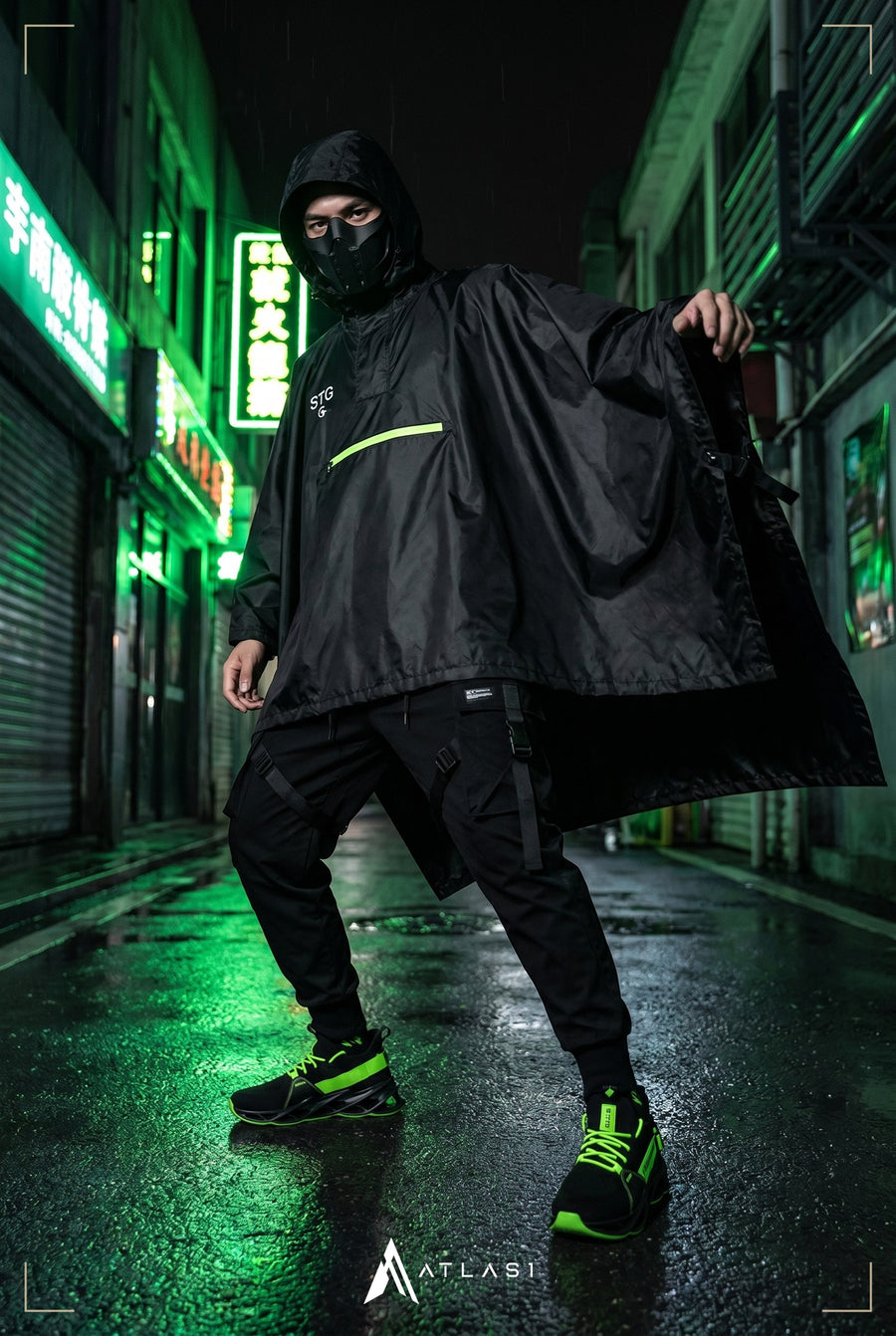
Futuristic is the broadest category — it encompasses any clothing that signals a projected future through material or form. Cyberpunk is a specific sub-register within futuristic: darker, more dystopian, heavy on black with neon accents, utility straps and hardware. Y2K is a historically anchored variant that adds the specific cultural optimism of the millennial moment — chrome and holographic materials plus the era’s signature silhouettes. All three share reflective and iridescent materials but diverge in mood and reference.
How do I dress futuristic without looking like a costume?
The costume problem comes from over-signalling: wearing every futuristic marker at once. Avoid this by selecting one strong material — chrome, iridescent, transparent — and pairing it with foundational pieces that do not carry their own high-concept signal. A chrome dress with clean black boots and no accessories reads as fashion; the same dress with a metallic bag, holographic shoes and neon earrings reads as costume. The restraint is what makes the lead piece land.
What colours read as futuristic?
Chrome and silver are the primary futuristic colour signals. White — particularly clean, bright, optical white rather than cream — reads as clinical and engineered. Black works as the utilitarian base for the darker, cyberpunk-adjacent register. Neon accents — electric blue, acid green, hot pink — on a black base push into the cyber direction. The weakest futuristic colour choices are pastels and earthy neutrals, which carry too much organic association to read as future-coded.