How to Wear Neon Without Looking Like a Hi-Vis Vest
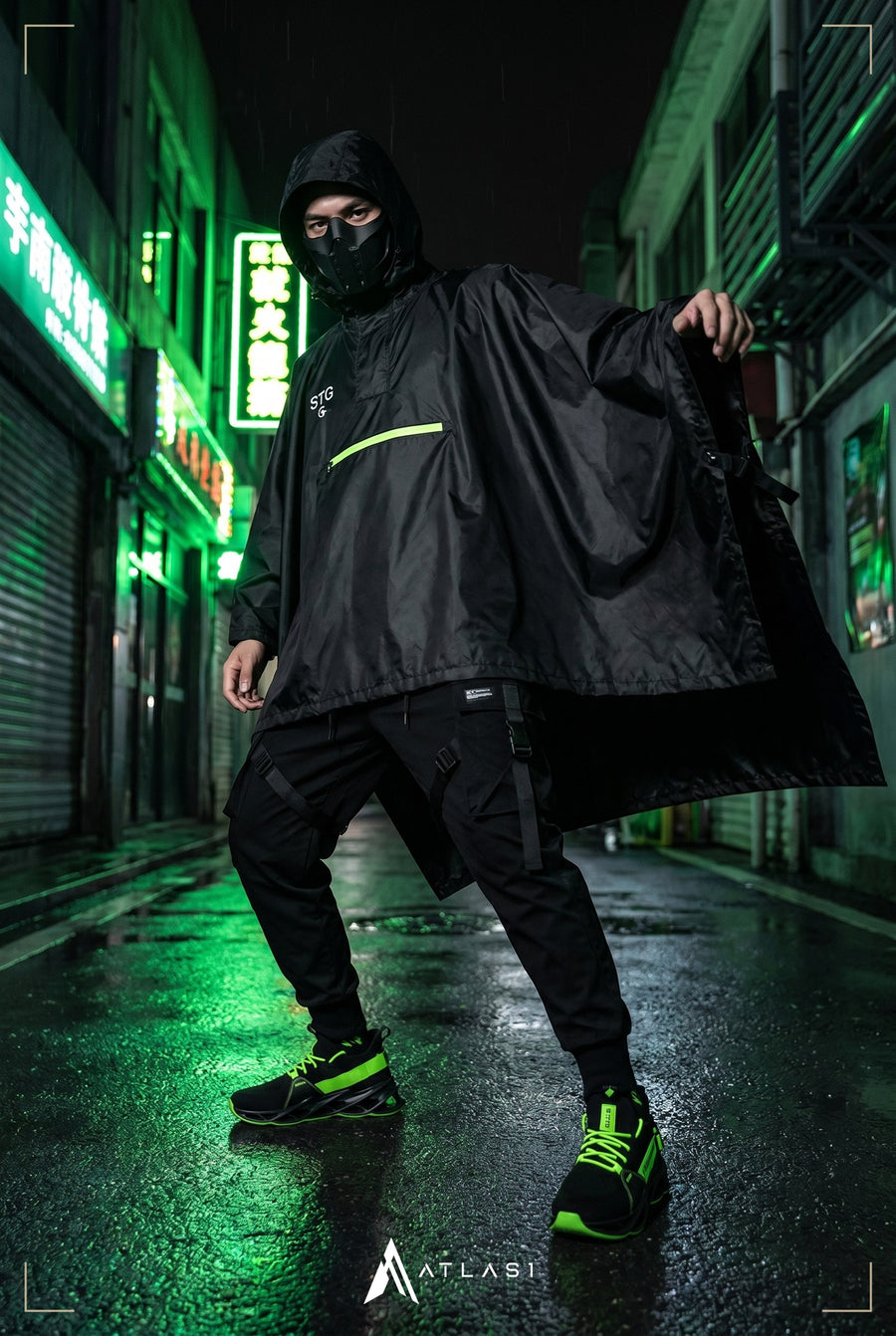
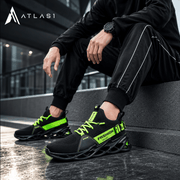
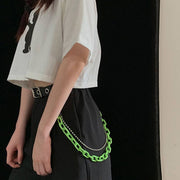
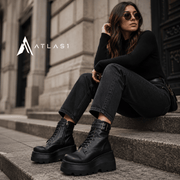
The rule is simple: one neon signal, everything else black or near-black. A single toxic-green zip pull or UV-reactive sole reads as intentional; three competing neon elements read as costume. Start with a monochrome technical base — matte black shell, dark cargo pant, black boot — then introduce one neon point: a trim, a lens tint, a sole unit, or a single accent stripe. That contrast is what makes neon sharp rather than chaotic.
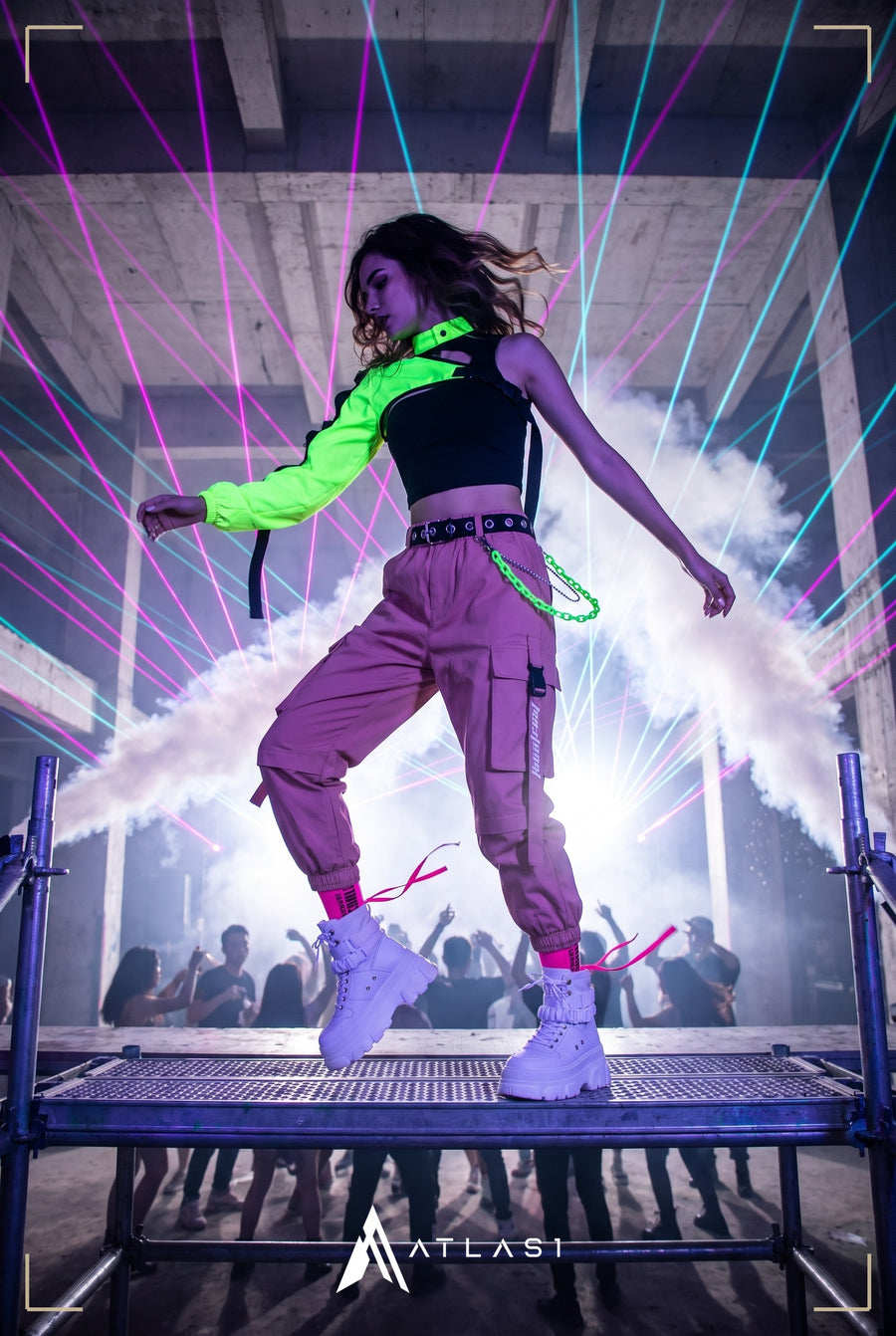
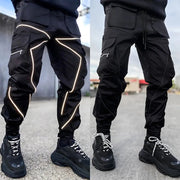
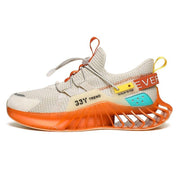
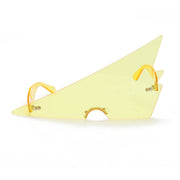
Placement matters as much as colour. Neon reads clearest on edges and extremities — boot soles catch ambient light from below, zip pulls catch it at chest height, visor lenses at eye level. Interior panels and large body prints dilute the effect. For material choice, reflective fabric bounces any light source (including phone cameras — useful for rave content); UV-reactive fabric only activates under blacklight, making it purpose-built for club environments. If you are buying for both contexts, look for pieces that layer both properties. See the rave outfits guide for venue-specific build notes, or browse the festival outfits page for outdoor daytime neon logic.
Neon Outfit FAQ
What is a neon outfit?
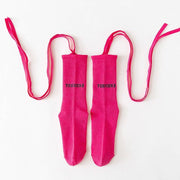
A neon outfit centres on clothing or accessories in high-visibility fluorescent colours — typically acid green, hot pink, electric blue, or orange — that appear to glow under both daylight and UV light. In techwear and cyberpunk dressing, neon is used sparingly as a single signal accent against a dark technical base rather than head-to-toe fluorescent.
How do I wear neon without it looking tacky?
Limit neon to one element per outfit — a trim, a sole, a zip, or a lens tint. Pair it with a strictly monochrome base in black, charcoal, or white. Avoid mixing multiple neon colours in the same look; the palette collision is what reads as cheap, not the neon itself.
What colours count as neon?
Neon colours are fluorescent pigments that absorb UV and re-emit visible light, making them appear brighter than standard dye. Core neon colours are acid green (also called toxic green), hot pink, electric blue, and neon orange. Neon yellow sits at the boundary — it reads as safety workwear in daytime and requires strong styling intent to avoid that association.
What are the best neon pieces for an outfit?
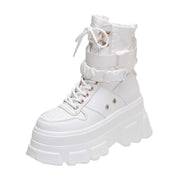
Footwear with neon soles or lace loops is the lowest-commitment entry point — it adds signal without affecting layering. After that: technical accessories with neon trim (mask straps, goggle lenses, zip pulls), followed by outer layers with neon panelling or reflective-neon fabric. Avoid neon basics like tees worn underneath — they disappear under layers and only show at the collar.
Do neon clothes glow under UV blacklight?
UV-reactive neon clothes do, but not all neon garments are UV-reactive — the two properties come from different dye processes and are not synonymous. Standard fluorescent fabric glows brightly in daylight but may barely activate under blacklight. Check the product description for UV-reactive or blacklight-reactive language specifically. Reflective fabric, by contrast, responds to directed light sources — flash photography and stage lighting — rather than UV.